What Happens To Bitcoin When All Coins Are Mined : Bitcoin Wikipedia - Each and every transaction is verified and permanently stored on the blockchain as a result of this mining activity.. When all of them are mined, new ones will not appear. The amount of new bitcoin released with each mined block is called the block reward. the block reward is halved every 210,000 blocks (or roughly every 4 years). The release announcement stipulated the rate at which miners would be awarded bitcoins for their work, stating that the said rate would be halved every four years until all bitcoins were mined. Once bitcoin miners have unlocked all the bitcoins, the planet's supply will essentially be tapped out. Today, the value of bitcoin is such that the newly created, or minted, coins miners earn are the bulk of their mining income.
As you know, a total of 21 million bitcoins are available for mining. Many people think this event would cause the price of bitcoin to crash, which is not the case. Now when i looked into it more i was actually surprised with the total amount that has been mined and what. This issue, the last coins being mined, won't happen in my lifetime, to say the least as it is expected to occur in or around 2140 so another 119 years give or take. When all of them are mined, new ones will not appear.
What Just Happened In The Crypto Market from images.livemint.com What happens when all 21 million bitcoin. As of february 24, 2021, 18.638 million bitcoins have been mined, which leaves 2.362 million. Just fyi, the btc se aims to be an objective q/a posting board, more than a discussion forum of opinions. Despite bitcoin being designed with a limited supply of 21 million coins, cane island estimates that a maximum of only 14 million bitcoin will ever circulate due to the rate at which coins are lost. What happens when all the bitcoins have been mined? Its over 100 years from now. As you know, a total of 21 million bitcoins are available for mining. Currently, miners generate 900 bitcoins per day (mining reward of 6.25 bitcoins every 10 minutes).
When all of them are mined, new ones will not appear.
I'm learning about bitcoin and apparently there is a maximum number of bitcoins in existence, 21 million. It is when the number of bitcoins that are mined per block is cut in half. Your answer is more an opinion of which cryptocurrency will be most important in the future, than an answer to what happens to the btc network when all the coins are mined. The reward becomes half every 4 years. Currently, miners generate 900 bitcoins per day (mining reward of 6.25 bitcoins every 10 minutes). There are only 21 million bitcoins available for mining. This stands in stark contrast to national currencies, which are constantly expanding. Halvings take place every 210,000 blocks (about every four years) and make bitcoin mining harder because there are much fewer coins to find. However, when all bitcoin is mined the industry will only remain incentive for the transaction fees. Bitcoin halving refers to how bitcoins will be released into its circulating supply over the years. Bitcoin is fundamentally different from national currencies. If, once all the bitcoins have been mined, the entire world uses the digital currency as its primary medium of exchange, then it is possible that transaction fees will rise due to an increase in the demand for transactions. Just fyi, the btc se aims to be an objective q/a posting board, more than a discussion forum of opinions.
What happens when all 21 million bitcoin. This stands in stark contrast to national currencies, which are constantly expanding. Miners that verify blocks on the bitcoin blockchain are entitled to the transaction fees. Transaction fee rewards will not match the rewards miners receive for bitcoin mining. Yet, since bitcoin is sustained by a network of miners who are compensated in block rewards, many people wonder what happens when all the bitcoins have been mined?.
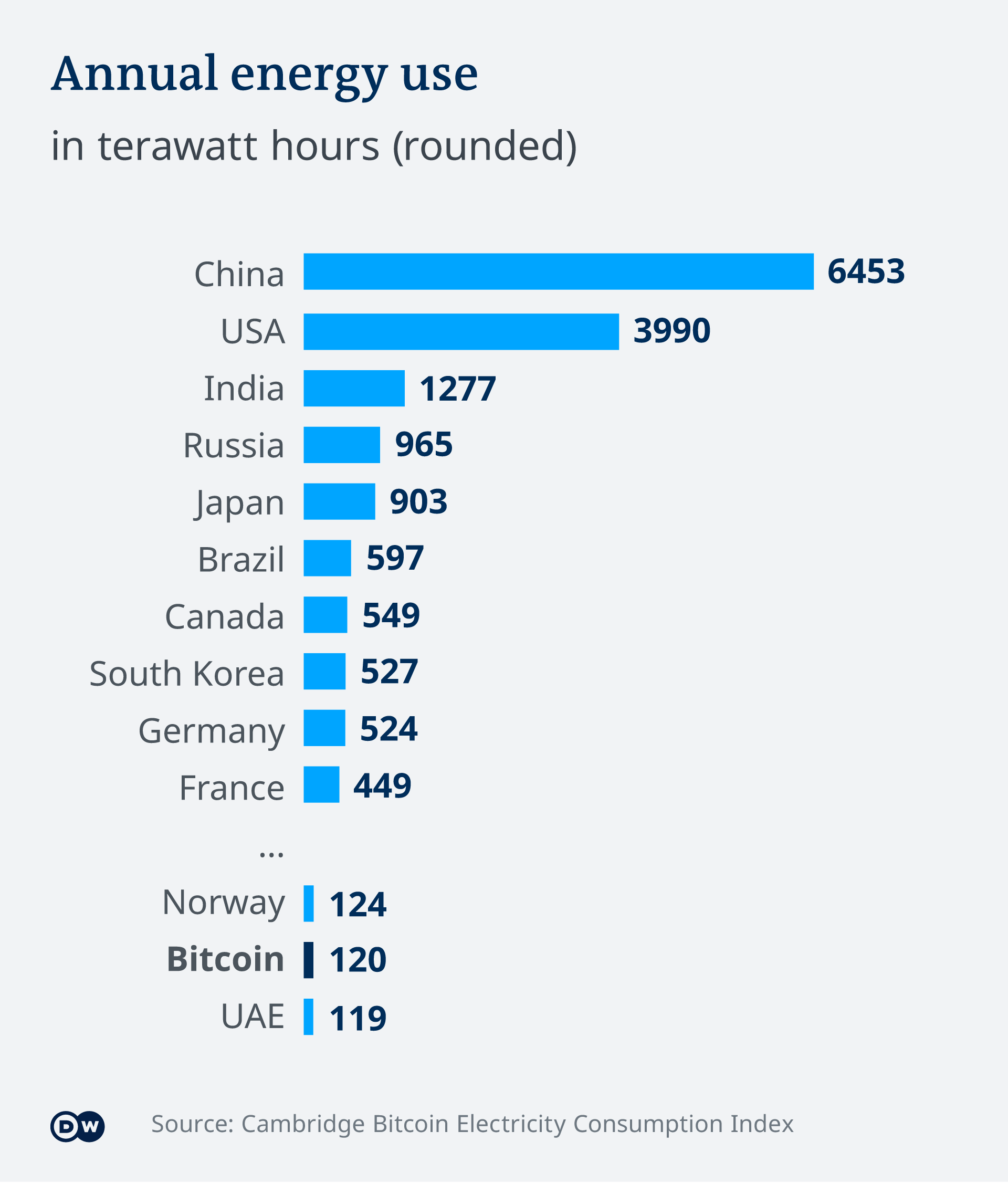
Why Does Bitcoin Need More Energy Than Whole Countries Business Economy And Finance News From A German Perspective Dw 16 02 2021 from static.dw.com When all of them are mined, new ones will not appear. The reward becomes half every 4 years. A report cited by the new york times states that, of the 18.5 million bitcoin mined so far, an estimated 20 percent appear to be inaccessible or lost. If, once all the bitcoins have been mined, the entire world uses the digital currency as its primary medium of exchange, then it is possible that transaction fees will rise due to an increase in the demand for transactions. The halving is exactly as it sounds. Given that bitcoin mining becomes obsolete by 2140, miners will lose the lucrative position. Halvings take place every 210,000 blocks (about every four years) and make bitcoin mining harder because there are much fewer coins to find. Bitcoin mining will still be profitable after all bitcoins are mined.
In 2009, it was 50.
When all bitcoin has been mined, the miners will no longer receive block rewards since there are no more coins to be generated. It concluded by saying that once bitcoin's supply ran out, the reward system could be replaced by transaction fees. While these fees represent only a tiny portion of most miners' revenues right now, that will change. In 2036 the daily amount of newly mined bitcoins will be 112.5. Transaction fee rewards will not match the rewards miners receive for bitcoin mining. A report cited by the new york times states that, of the 18.5 million bitcoin mined so far, an estimated 20 percent appear to be inaccessible or lost. It is when the number of bitcoins that are mined per block is cut in half. Today, the value of bitcoin is such that the newly created, or minted, coins miners earn are the bulk of their mining income. The release announcement stipulated the rate at which miners would be awarded bitcoins for their work, stating that the said rate would be halved every four years until all bitcoins were mined. In exchange, bitcoin miners receive bitcoin and transaction fees. In 2009, it was 50. To make it worse, there is a finite number of bitcoins that can be mined which puts a timeline for when the last bitcoin will be mined to 2140. This issue, the last coins being mined, won't happen in my lifetime, to say the least as it is expected to occur in or around 2140 so another 119 years give or take.
Given that bitcoin mining becomes obsolete by 2140, miners will lose the lucrative position. This stands in stark contrast to national currencies, which are constantly expanding. Today, the value of bitcoin is such that the newly created, or minted, coins miners earn are the bulk of their mining income. If, once all the bitcoins have been mined, the entire world uses the digital currency as its primary medium of exchange, then it is possible that transaction fees will rise due to an increase in the demand for transactions. As you know, a total of 21 million bitcoins are available for mining.
Cryptocurrency What Happens When You Put Your Life Savings Into Bitcoin Vox from cdn.vox-cdn.com The reward becomes half every 4 years. To make it worse, there is a finite number of bitcoins that can be mined which puts a timeline for when the last bitcoin will be mined to 2140. When all bitcoins are mined nothing will happen. Bitcoin mining will still be profitable after all bitcoins are mined. When all of them are mined, new ones will not appear. As you know, a total of 21 million bitcoins are available for mining. If, once all the bitcoins have been mined, the entire world uses the digital currency as its primary medium of exchange, then it is possible that transaction fees will rise due to an increase in the demand for transactions. Bitcoin is fundamentally different from national currencies.
Bitcoin mining will still be profitable after all bitcoins are mined.
Bitcoin mining verifies transactions the complex mathematical problems mining rigs solve to earn fresh bitcoin are the glue that holds together the blockchain. How will they make their living and what will incentivize them to keep the network secure? Fiat money supply is constantly growing because the government benefits from inflation. I'm learning about bitcoin and apparently there is a maximum number of bitcoins in existence, 21 million. To make it worse, there is a finite number of bitcoins that can be mined which puts a timeline for when the last bitcoin will be mined to 2140. The reward becomes half every 4 years. This stands in stark contrast to national currencies, which are constantly expanding. There are only 21 million bitcoins available for mining. If the miner's think they are getting profit even just with the transaction fees, they will continue. And this happens every four years. Scarcity will kick in, logically value will rise. Currently, miners generate 900 bitcoins per day (mining reward of 6.25 bitcoins every 10 minutes). When all of them are mined, new ones will not appear.


/cdn.vox-cdn.com/uploads/chorus_image/image/64041975/GettyImages_1140163605.0.jpg)